SCALASOL® Insulating Secondary Glazing ISOC75
Pros and cons
 Creates an air-filled cavity (double glazing effect)
- Highly effective insulation (still air)
- Can be used seasonally thanks to the hook-and-loop fastening
- Barely visible, if at all
- Easy to install yourself using the recommended tools
 The window frame must have at least 2cm of space for the hook-and-loop strip
- Window fittings may obstruct the installation of the secondary glazing
| > Order a sample of the ISOC75 |
Description ISOC75
Short description
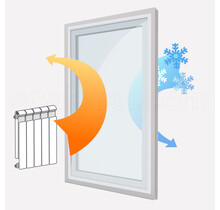
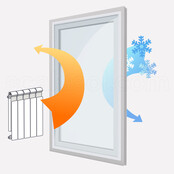
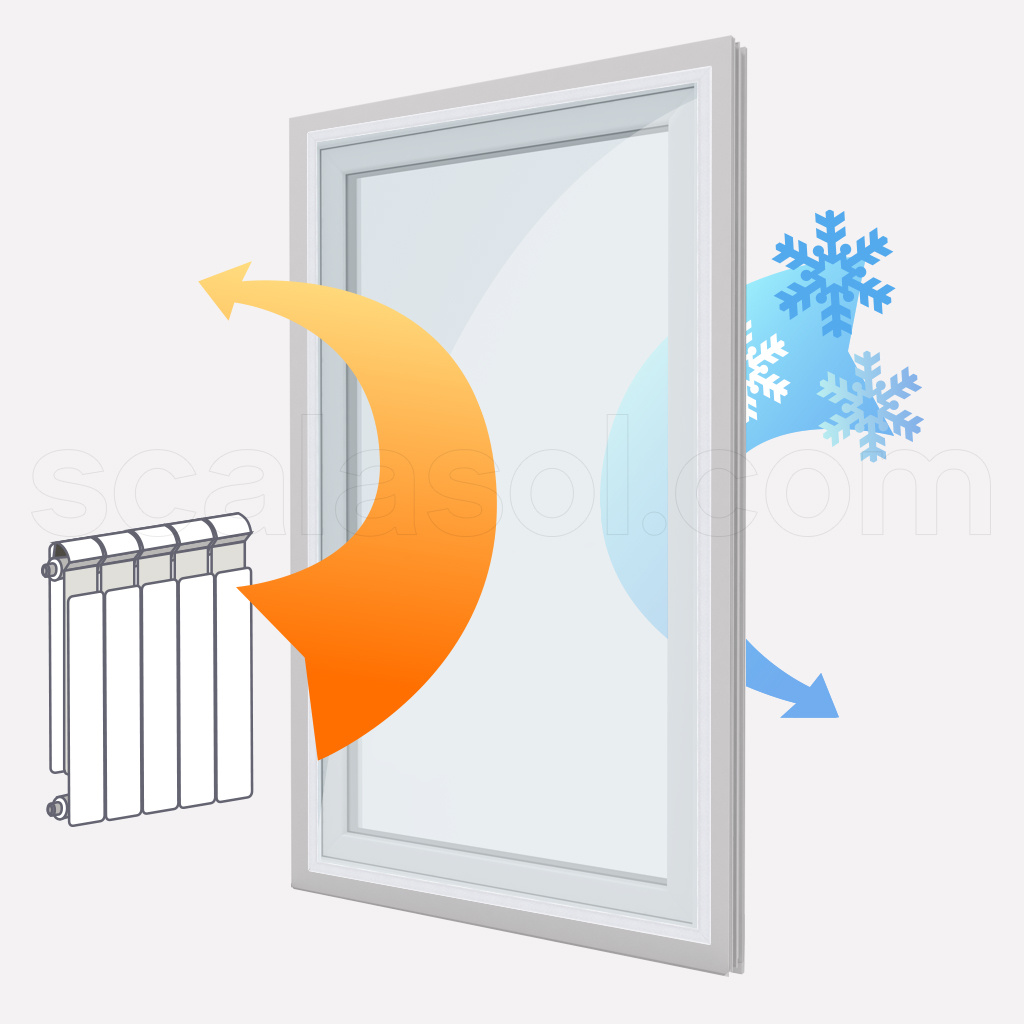
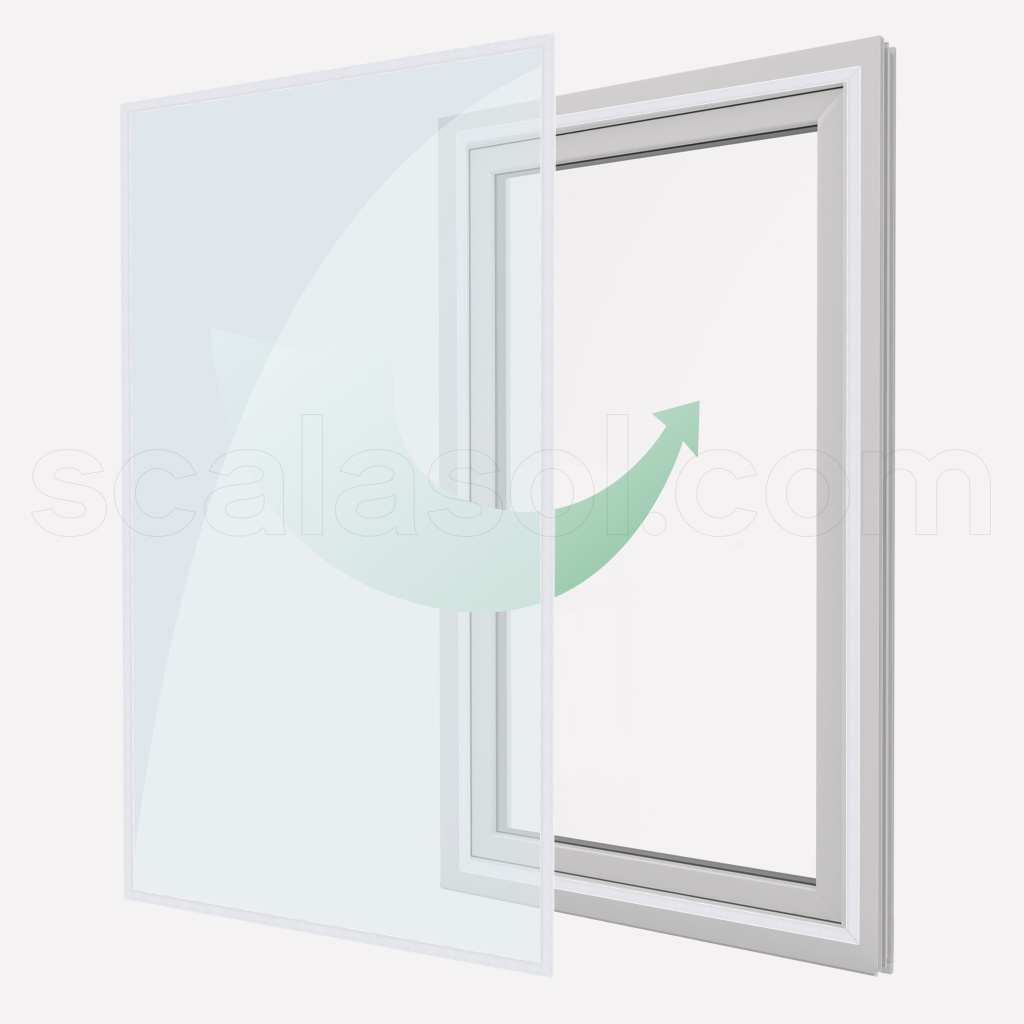
Plastic secondary glazing is the perfect solution for insulating your windows in a simple and affordable way. The secondary glazing is fitted against the window frame, creating an air gap (cavity) between your existing glass and the secondary glazing. This trapped air creates the effect of double glazing. Still air is a highly effective way to insulate your window. The secondary glazing is crystal clear and virtually invisible on the window. Once you have installed the secondary glazing, you will immediately experience its insulating effect. In addition, the effect is often visible the following morning, as condensation forms on the exterior side of the glass. This means that the glass is colder on the outside than on the inside. This effect also helps confirm the high insulating performance of the secondary glazing. As the secondary glazing is secured using hook-and-loop strips, you can easily remove it again, for example to clean the glass or open a window. You can also store the secondary glazing during the summer.
Stained Glass & Glazing Bars
Stained glass is made from single glazing. As a result, the insulating performance of stained glass is very low. As stained glass has a textured surface, it is not possible to apply insulating window film to this type of glass. In addition, applying window film to a window with glazing bars can be difficult, as such windows often consist of many small panes. Insulating secondary glazing is the perfect solution to this problem. The secondary glazing is attached to the window frame rather than directly to the glass. This prevents any issues with the texture or glazing bars of the glass. The appearance of the glass remains unchanged, as the plastic insulating secondary glazing is virtually invisible. This preserves the nostalgic appearance of stained glass or glazing bars while providing significantly improved insulation thanks to the secondary glazing.
Measuring
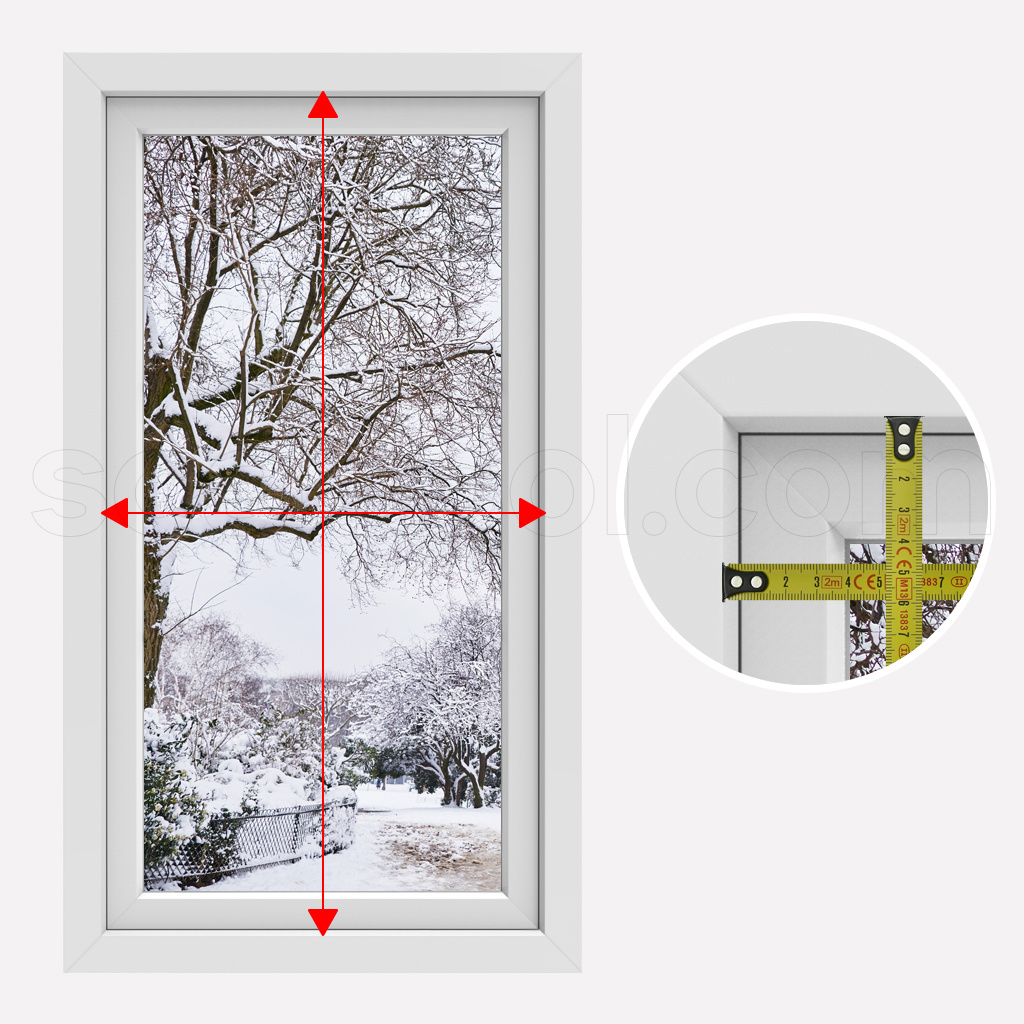
You must measure the inside dimensions of the window frame (within the opening). Enter these measurements into our made-to-measure ordering tool. Once you have placed your order (using the dimensions within the opening, inside the window frame), we will add 2cm on all sides for the hook-and-loop fastening. The secondary glazing will therefore be 2cm larger on each side than the dimensions you entered. It is therefore important that your window frame has 2cm of space all around to accommodate the hook-and-loop strip.
Cleaning
Avoid harsh chemicals, such as ammonia or bleach, as these may damage the plastic material. Choose a mild cleaning agent or a diluted mixture of water and a little washing-up liquid. Use a soft microfibre cloth or a non-abrasive sponge to prevent scratches on the secondary glazing.
Order ISOC75 window film cut-to-size or in a standard size
Made to Measure
Thanks to our unique made-to-measure ordering tool, you can order the ISOC75 to your exact measurements. You will find this option under the 'Made to Measure' tab. You can order the ISOC75 with millimetre precision. You must measure the window frame 'within the opening'. This means the dimensions between the edges of the window frame (visible glass). We will add 2cm on all sides to the dimensions for the hook-and-loop strip.
Standard Size
It is also possible to order an ISOC75 secondary glazing panel in a standard size. This is available under the 'Standard Size' tab. You can choose from the sizes 125cm*102.5cm and 125cm*205cm. You can cut the secondary glazing to size yourself to fit your window frame. The hook-and-loop strip is supplied separately, allowing you to apply it yourself after cutting the secondary glazing to size.
Application
Preparation
Before you begin installing the ISOC75, you must first make the necessary preparations. You must clean the window frame with SCALASOL® TO-PREPARE. This ensures that the window frame is degreased and that the hook-and-loop strip adheres properly.
Installation
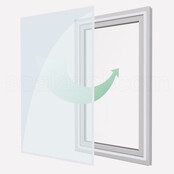
The secondary glazing is installed against the interior side of the window frame. This creates an air gap between the secondary glazing and the existing glass in the window frame. You must order the secondary glazing to size so that it fits your window frame perfectly. The secondary glazing is attached to the window frame using a hook-and-loop strip. This hook-and-loop strip is strong enough to hold the secondary glazing securely in place. The secondary glazing is supplied with the hook-and-loop strip already fitted around its edges. You only need to apply the hook-and-loop strip around the window frame. You can easily cut the hook-and-loop strip to size and apply it. It is important to press firmly around the entire secondary glazing panel to ensure that the hook-and-loop strip (hook) on the window frame and the hook-and-loop strip (loop) on the secondary glazing engage properly.
Application difficulty level
 Very easy
- Easy
- Moderate
- Difficult
| > Download application instructions |
Technical Specifications
| |
Visible light transmission (VLT) |
96% |
 |
| |
Visible light rejection (VLR) |
4% |
|
| |
* The light measurements (VLT & VLR) were performed using laboratory equipment and are based on monochromatic light. However, it is important to emphasise that these results should be interpreted differently in practical use. Therefore, below we provide a realistic indication of light transmission in practical applications on a bright, sunlit summer day.
|
|
| |
Visible Light Transmission (96% VLT) indication |
|
Bright, sunlit summer day |
|
|
Average bright daylight |
|
|
Daylight on an overcast summer day |
|
|
Fully overcast winter day |
|
|
Twilight |
|
| |
Reduction of Ultraviolet (UV) Radiation (220–380 nm) |
9% |
|
| |
Transmission of Ultraviolet (UV) Radiation (220–380 nm) |
81% |
|
| |
Reduction of Infrared Radiation |
4% |
|
| |
Transmission of Infrared Radiation |
96% |
|
| |
Single glazing |
|
|
Interior side |
| |
Double glazing |
|
|
Interior side |
| |
Tempered glass |
|
|
Interior side |
| |
Tinted glass |
|
|
Interior side |
| |
Laminated glass |
|
|
Interior side |
| |
Gas-Filled Double glazing - Low E |
|
|
Interior side |
| |
Triple glazing |
|
|
Interior side |
| |
Patterned glass / Textured glass |
|
|
Interior side |
| |
Plexiglass / Acrylic glass |
|
|
Interior side |
| |
Polycarbonate / Multiwall sheet |
|
|
Interior side |
| |
Fastening: 2cm Hook-and-Loop Strips (Hook & Loop) |
| |
Scratch-resistant surface & easy to clean |
| |
Installation: Interior Side of Window Frame |
|
The information on this page is for reference only and not legally binding. SCALASOL® reserves the right to modify the composition of its products at any time. Please refer to our warranty terms and general conditions for more information.
|



 Crystal Clear and Transparent